


A few small tweaks can turn "ugh, worksheets" into "can we do another one?"
Every parent has a moment they wish they could take back — snapping after a long day, raising their voice over something small. If you’ve been there, take a breath: a bad moment doesn’t make you a bad parent. Knowing how to apologize to your child matters far more than the moment itself.
Why This Feels Harder Than It Sounds
Many of us grew up in homes where parents rarely apologized to children. So even when we want to do it differently, it can feel unfamiliar at first.
Why Apologizing to Kids Is So Powerful
When you apologize sincerely, your child learns that mistakes don’t end relationships — they can be repaired. It also models the kind of emotional accountability you hope they’ll show others one day.
Wait Until You’re Calm
An apology delivered while still frustrated rarely lands the way you intend.
Be Specific
Instead of a vague “sorry,” try: “I’m sorry I yelled when you spilled the juice. That wasn’t fair to you.”
Skip the Excuses
“I’m sorry, but I was really tired” can feel like a half-apology to a child.
Reconnect Physically
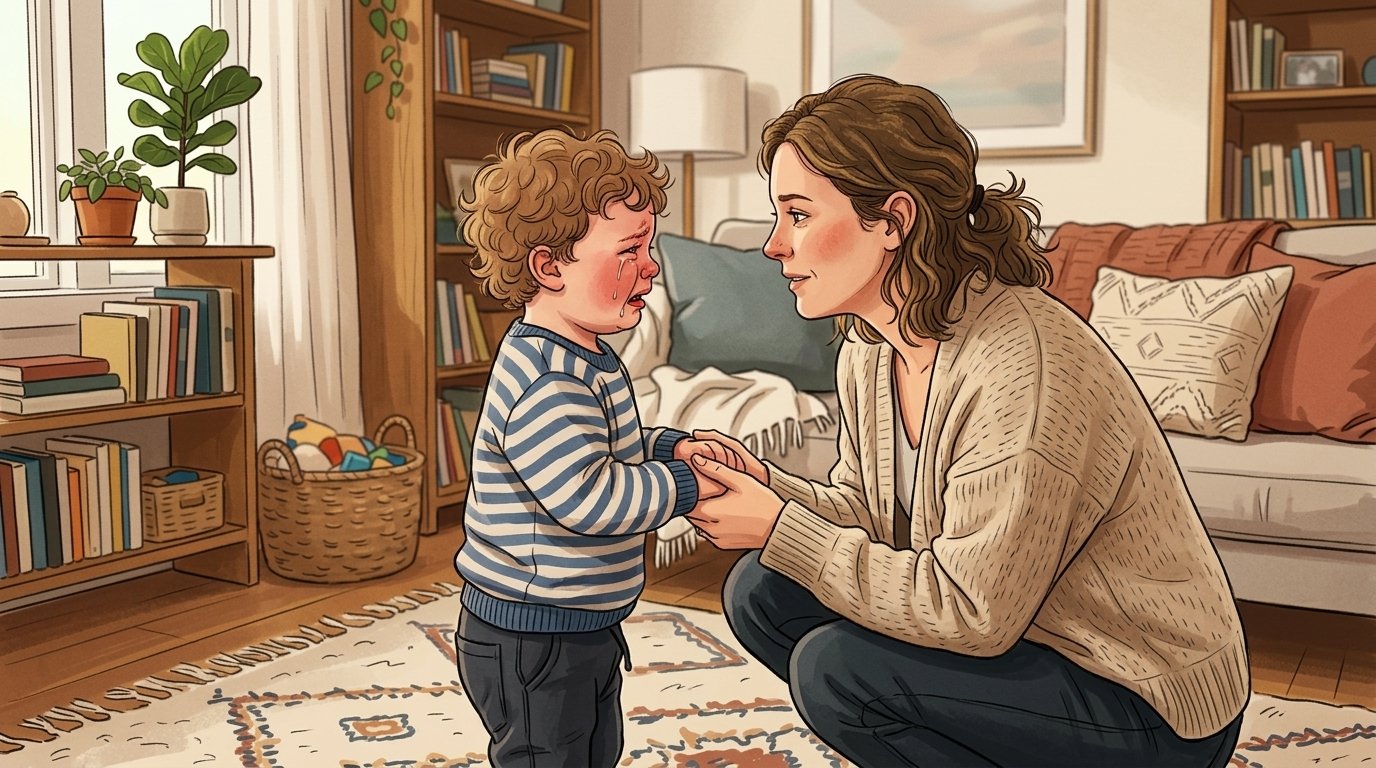
A hug or holding their hand afterward helps your child feel safe again, beyond just the words.
Let Them Respond
Sometimes kids need a moment before they’re ready to fully reconnect. That’s okay — the apology still did its job.
What This Looks Like in Real Life
Picture this: you snapped at your child for spilling water. Ten minutes later, once you’re both calm, you sit beside them and say, “I’m sorry I raised my voice earlier. That wasn’t fair to you.”
Conclusion
Learning how to apologize to your child isn’t a sign of weak parenting — it’s one of the strongest things you can model for them. Every repaired moment teaches your child that love stays steady, even after mistakes.